The spread and practice of Ayurveda in Sri Lanka
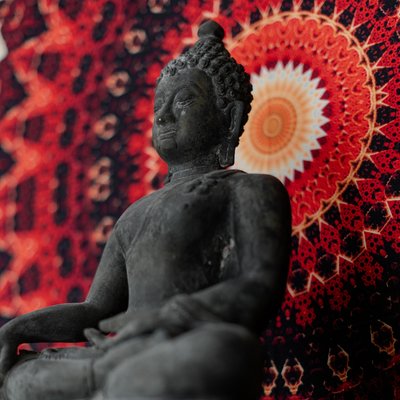
Under King Devanamiyatissa (246 BC), Buddhism and Ayurveda came to Sri Lanka from India and began to spread over the next few centuries.
While in India the Muslim conquest in the 11th century led to a decline in Ayurvedic medicine, Ayurveda was able to establish itself firmly in Sri Lanka as part of traditional medicine.
The arrival of the British then led to the massive curtailment of Ayurvedic medicine in Sri Lanka, as it did in India. All training centers were closed and state funding was stopped. The British army marched into Kandy, destroying cultural sites and numerous "Ola Manuscripts" (palm leaves on which Ayurvedic medicine had been immortalized).
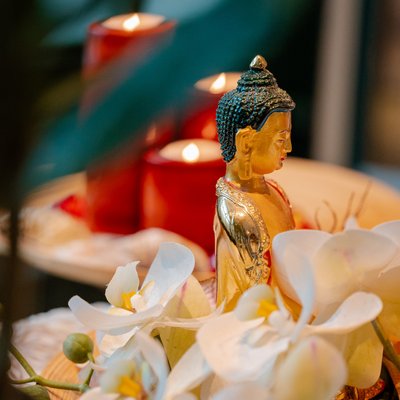
The Buddhist monasteries in Sri Lanka were largely spared from destruction and enjoyed a certain degree of freedom. The colonial power spared the monks because they were held in high esteem by the population. The education of the elite, the training of Ayurvedic doctors, and the further development of traditional medicine and Ayurvedic medicine thus shifted more and more to the monasteries. The Buddhist monks thus made an outstanding contribution to the preservation of Ayurvedic medicine and shaped it.
The burgeoning nationalist movement around 1920 (which swept through most of the colonies) favored the revival of Ayurveda in Sri Lanka. In 1929, the first Government Ayurveda College and Hospital was founded in Colombo, followed a few years later by two private Ayurveda colleges in Jaffna and Gampaha. It was mainly thanks to Prime Minister S.W.R.D. Bandaranayake that Ayurvedic medicine experienced an enormous upswing (after 1956).
There are currently two major training centers: the Ayurvedic University in Colombo Rajagirija (bachelor's and master's degrees, graduate Ayurvedic doctors) and the Gampaha Ayurvedic College for traditional Ayurvedic doctors.