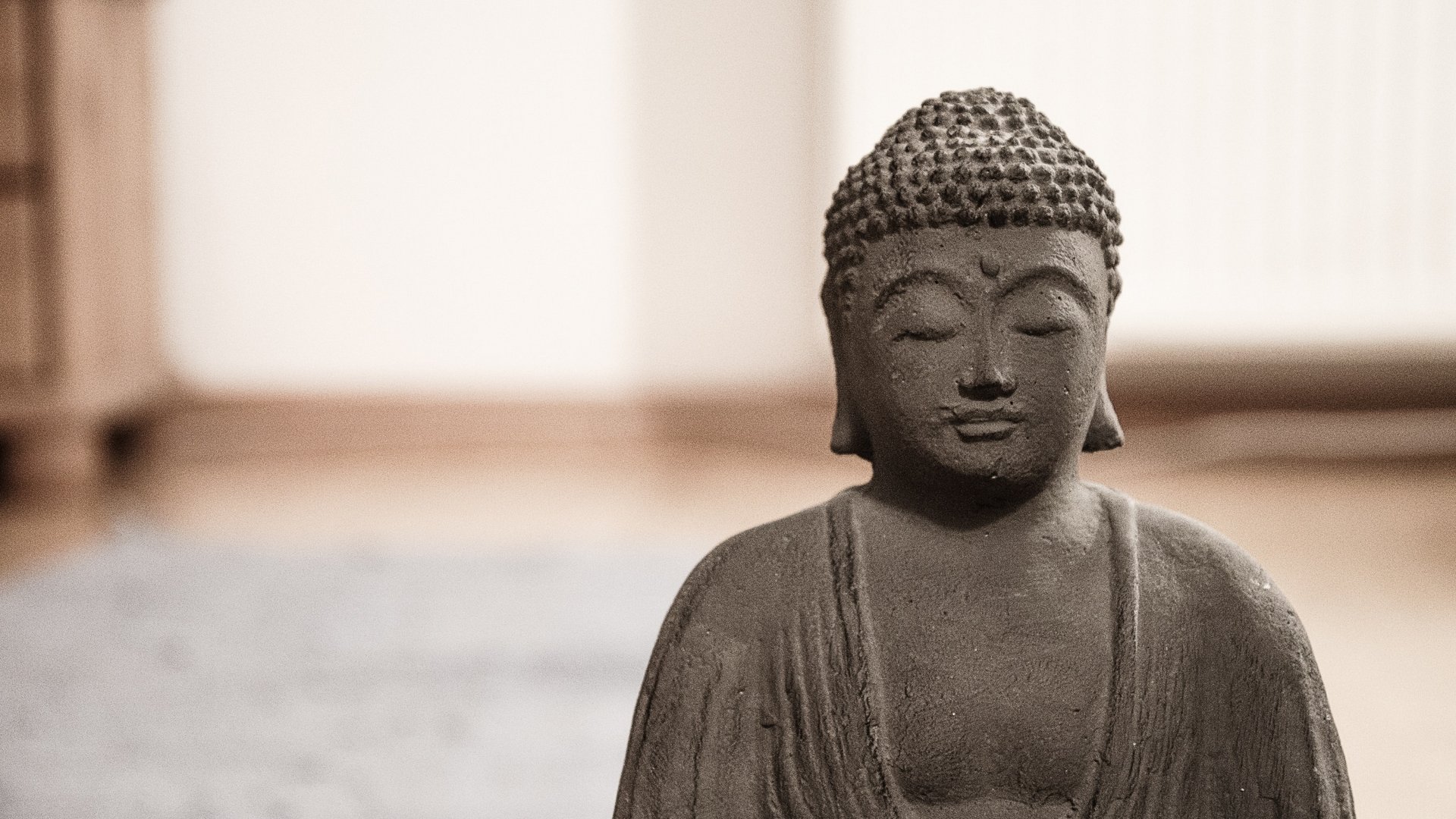
Meditierende Buddha-Figur in Steinoptik sorgt für eine friedliche Stimmung im Wellnessbereich des Hotels Vier Jahreszeiten im Schwarzwald.

Ayurveda is a system of health care that originated about 5,000 years ago at the foot of the Himalayas. Ayurveda: the knowledge of life

news article Ayurveda - the knowledge of life

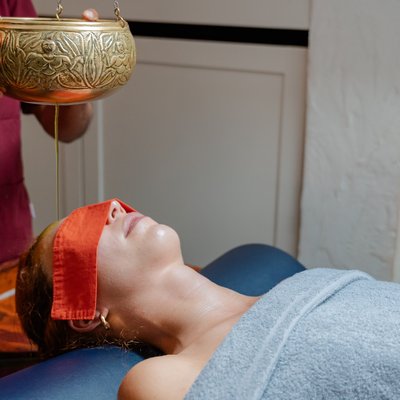
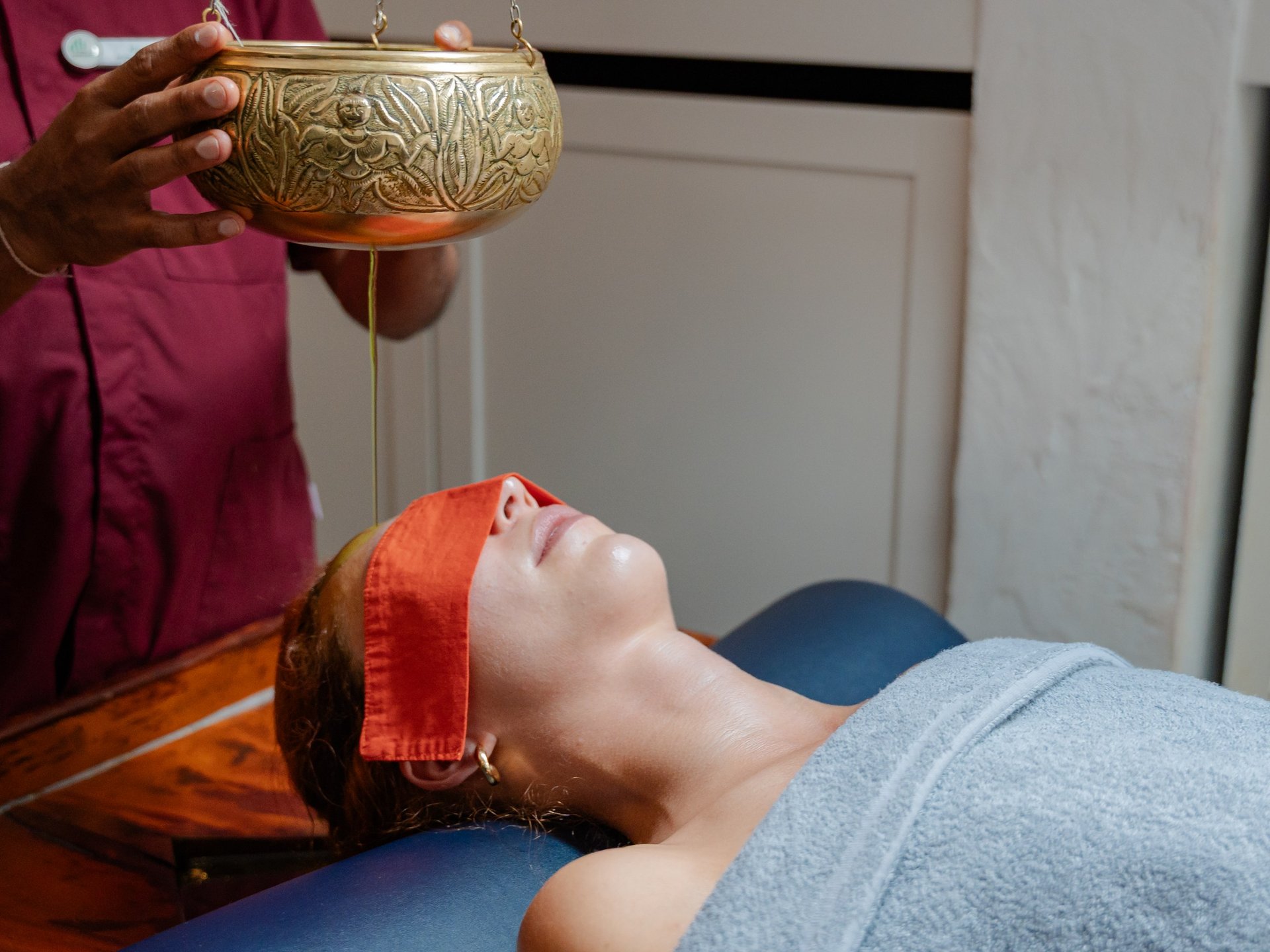
  • Seitliche Ansicht eines Ayurveda-Stirngusses zur tiefen Entspannung im Hotel Vier Jahreszeiten im Schwarzwald.
  • Reichhaltig gedeckter Tisch mit verschiedenen ayurvedischen Speisen und Gewürzen im Hotel Vier Jahreszeiten.
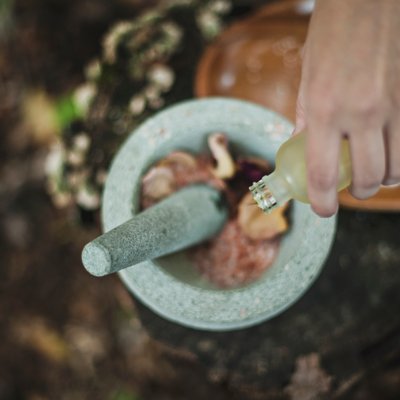
  • Frische Kräuter werden von Hand in einem Steinmörser für die ayurvedische Küche.

Ayurveda is the art of living healthily and healing gently.

The name is composed of two words from the ancient Indian Sanskrit language. "Ayur" means life and "Veda" means knowledge.

Ayurveda is a health science that originated about 5,000 years ago at the foot of the Himalayas. A prosperous society lived there, serving the "Divine Mother." The sages of this advanced culture made a pilgrimage to the mountains in a large group to address the problem of disease and its impact on life.

Tradition says that the god Attreya appeared to them to give them the necessary information and perspectives. From these divine inspirations arose the healing method known today as Ayurveda.

Ayurveda, along with Buddhism, became known in Sri Lanka in 249 BC. Under the British, the last conquerors of India and Sri Lanka, all Ayurvedic schools were closed. Only Western medicine was allowed to be practiced. It was only after independence that Ayurveda slowly regained its rightful place as the oldest medicine in the world.

Ayurveda – Medicine

Ayurveda is a natural healing system that knows how to use the energies of nature in a positive way.

Ayurveda is a holistic system that views the body, mind, and soul as a single entity that is in direct communication with nature. At the same time, Ayurveda is a teaching that uses plants, minerals, and spices as remedies and helps to restore balance to disturbed energy levels.

It is based on the assumption that the world is composed of the five elements earth, water, air, fire, and space (ether) and that these are reflected in our bodies.

According to Ayurvedic teachings, the combination of these five elements gives rise to three completely different basic constitutions, known as doshas (bioenergies), which must be in harmony with each other in order to maintain our health. The interaction of the five elements or doshas is responsible for the uniqueness of each individual body—and thus also for its strengths and weaknesses.

  • Nahaufnahme von zwei handgefertigten Kräuterstempeln, die für Wellness-Massagen im Hotel Vier Jahreszeiten am Schluchsee bereitliegen.
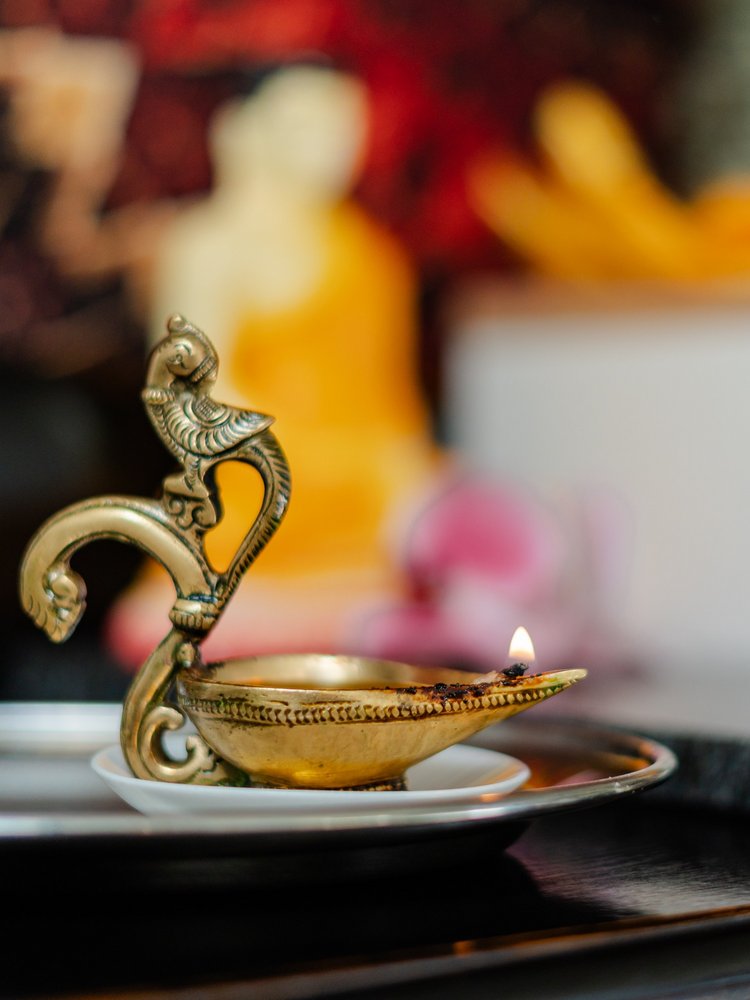
  • Traditionelle goldene Öllampe auf einem steinernen Tablett als Teil der Ayurveda-Dekoration im Hotel Vier Jahreszeiten im Schwarzwald.

The three doshas: Vata, Pitta, Kapha.

Each of us has our own unique dosha nature, but its dominance can change depending on age, season, time of day, and life circumstances.

Ayurveda is based on the three functional or energy principles (doshas):

· Vata – the principle of
movement · Pitta – the principle of
fire · Kapha – the principle of structure

All three principles are necessary for survival, and their interaction can be found everywhere in nature.

Constitution type

These three doshas are at work in every human being. They perform specific functions in the body. Each person has their own individual balance of vata, pitta, and kapha, with one or two doshas usually dominating. The doshas shape physical and mental characteristics. When the doshas are in balance, the person is healthy.

A constitution table can be used as a small aid in determining one's own dosha dominances. However, this does not replace the constitution determination of an experienced Ayurvedic doctor (e.g., through pulse diagnosis).

Daily rhythm, seasons, weather

Times of day influence our doshas, as do the seasons. The seasons, with their typical weather conditions, have a significant influence on the doshas. Summer, for example, is dominated by the element Pitta (heat). This automatically affects our body and mind: Pitta increases.
The day is divided into six periods, each dominated by one dosha. For example, the time between 6:00 and 10:00 a.m. is Kapha time. During this time, Kapha is increased in our body.

Ayurveda teaches us how to maintain or restore harmony between the doshas. According to Ayurveda, a person is healthy when the three bioenergies are in individual balance. Disturbances lead to discomfort and even illness. Experienced Ayurveda specialists can use various methods to determine how strong the bioenergies are and how they relate to each other.

It is amazing how precise this method is, without any equipment or technical aids. The treatments are designed to restore harmony between the three human bioenergies "Vata, Pitta, and Kapha." Especially in a time when we all have to perform at a high level, it is crucial to know what we are lacking and how we can regain balance using natural means.


Ayurveda as a healing method

Nutrition in Ayurveda

Nutrition plays an important role in Ayurveda. Nothing is forbidden, but Ayurveda recommends a balanced diet that is appropriate for your constitution. Balanced in the Ayurvedic sense means taking all six flavors into account: sweet, sour, salty, pungent, bitter, and astringent. Each of these tastes influences the doshas: sweet, for example, reduces Pitta and Vata, but increases Kapha.
Food intake is energy intake. By eating the right foods and combining them appropriately, you can positively influence your doshas.

The importance of metabolism

A well-functioning metabolism plays a central role in Ayurveda. There are various causes of digestive disorders, but what they all have in common is that undigested food leads to metabolic toxins, which put a great strain on the body and lead to illness in the long term. In Ayurveda, these metabolic toxins are called "ama." Increasing digestive power and breaking down ama in the body is a fundamental concern of Ayurveda.

Reichhaltig gedeckter Tisch mit verschiedenen ayurvedischen Speisen und Gewürzen im Hotel Vier Jahreszeiten.

Ayurveda distinguishes between six different stages of disease progression

  • Accumulation: mild increase of a dosha in its main seat
    (caused by diet, weather, seasons, emotions)
  • Provocation/development of excess: strong accumulation
  • Spread: the provoked dosha spreads throughout the body via the blood and circulation
  • Fixation: the disturbed dosha becomes fixed in weakened tissue
  • Manifestation: clinical symptoms become apparent
  • Structural changes: tissues are destroyed, disease becomes chronic or incurable

(Source: "Self-Healing with Ayurveda," Vasant Lad, O.W. Barth Verlag, and "The Practical Handbook of Ayurveda," Hans H. Rhyner, Urania Verlag)

According to Dr. Vasant Lad, balance can be restored in the first two stages by changing one's own behavior. From the "spread" stage onwards, the help of an Ayurveda specialist is required. H. Rhyner explains that corrective measures can only be considered prevention within the first three stages. After that, it is clearly medical.

For the sake of completeness, it should be mentioned that the conventional medical approach only recognizes illness in the fourth stage, when physical symptoms appear. Before that, the person is considered healthy.

Ein Gast im weißen Bademantel während eines Beratungsgesprächs im Hotel Vier Jahreszeiten am Schluchsee.

Ayurvedic products—what you should know about them.

  1. Authentic Ayurvedic products are based on classical Vedic texts that are several thousand years old. These texts describe the effects of various herbs and spices and provide recipes. However, local herbs that are classified and used according to Ayurvedic principles can also be used.

  2. Quality "seals": ISO 9001, EN 14001

    To give consumers a certain degree of assurance about production and product quality, you can find out about certifications. Typical quality seals are: ISO 9000, HACCP, BDIH, and GMP.

  3. ISO 9001 (DIN EN ISO 9000 ff.)

    is a European standard for quality management and assurance.
    ISO 9001 regulates production standards only, not product standards.

  4. EN 14001

    is an environmental certification.

  5. BDIH

    is the German Federal Association of Industrial and Trade Companies for Medicines, Health Products, Dietary Supplements, and Personal Care Products. Among other things, it has established standards for certified natural cosmetics, according to which some manufacturers of Ayurvedic cosmetics have also been certified. Some
    suppliers feel that these standards do not go far enough. It is therefore worth inquiring about them.

  6. GMP (Good Manufacturing Practice)

    are internationally recognized regulations and guidelines for ensuring the quality of medicinal products, from cultivation and harvesting to storage, manufacturing, processing, and packaging.

    Consumers should inform themselves in detail about the range of Ayurvedic products on offer and question them critically, as the differences in quality can be enormous.

    Since Ayurveda is not a protected term, it will always be difficult to draw a line, and the gray area is large. Ultimately, as a consumer, you decide what is important to you and what price you are willing to pay. Here, too, the rule applies: quality simply has its price. The better you know what to look for and the more sensitive you are to what is good for you, the more confidently you will navigate this market.

Seitliche Ansicht eines Ayurveda-Stirngusses zur tiefen Entspannung im Hotel Vier Jahreszeiten im Schwarzwald.
Balkon-Idylle mit Blick ins Grüne beim Hotel Vier Jahreszeiten.

Book now Choose from our
wide range of options.

News Interesting facts about the hotel
& tips for your Black Forest vacation

    • Ayurveda
    • Health & Wellness

    Longevity Hotel Black Forest

    Discover a place where health, enjoyment, and serenity merge in a unique way.

    Learn more
    • Ayurveda
    • Health & Wellness

    Wonderful world of colors

    Discover the effects of color therapy and LED light treatments for healthy skin and inner balance.

    Learn more
    • Ayurveda
    • Health & Wellness

    Health resort vacation in the Black Forest

    Strengthen your immune system with authentic Ayurvedic treatments and experts from Sri Lanka right on Schluchsee lake.

    Learn more
Optimierte Ansicht des Schluchsees im Schwarzwald für die Website-Darstellung.

Schluchsee vacation region
 

Vacation in the Black Forest
 

Learn more